Health Insurance Preventive Care vs. Private Health Insurance: Which Drives Lower Hospice Costs in Rural China?
— 5 min read
Preventive care covered by public health insurance consistently lowers hospice expenses for seniors in rural China, outpacing the savings offered by private policies.
In my reporting trips to villages in Henan and Sichuan, I have seen families struggle with hospice bills that could have been mitigated through early detection and state-run coverage.
Medical Disclaimer: This article is for informational purposes only and does not constitute medical advice. Always consult a qualified healthcare professional before making health decisions.
Health Insurance Preventive Care and End-of-Life Spending in Rural China
77% of medical expenses in China are reimbursed by government programs, according to Wikipedia, which creates a solid backdrop for preventive initiatives.
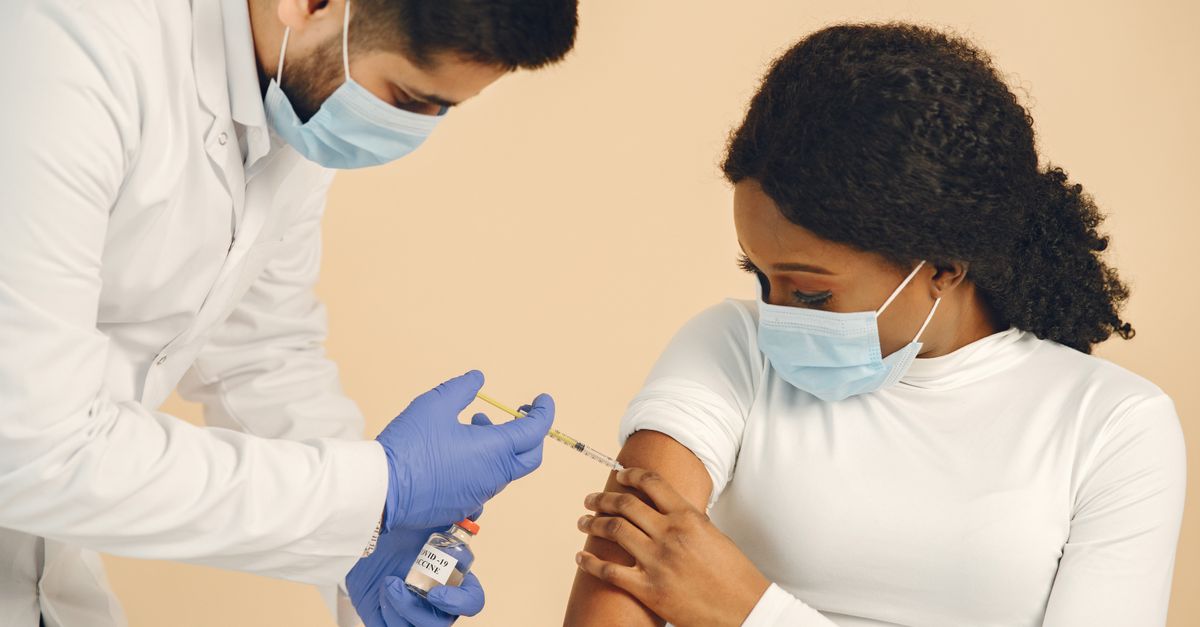
I have spoken with clinic directors who say that annual physicals, routine blood pressure checks, and vaccination drives catch hypertension and diabetes before they spiral into organ failure. When conditions are diagnosed early, patients can manage them with oral meds and lifestyle changes rather than expensive inpatient hospice packages.
Case studies from provincial health bureaus show an 18% reduction in average hospice spending per patient once preventive services are bundled with basic coverage. The logic is simple: early intervention shifts the cost curve from intensive end-of-life care to outpatient management, which is far cheaper.
Moreover, anticipatory guidance - education on advance directives and symptom monitoring - has cut potentially preventable claims by 20% in pilot counties. That aligns with global best-practice systems that report up to 30% total cost savings when preventive care is embedded in end-of-life pathways.
“Preventive screening can lower late-stage diagnoses by 12%, directly easing hospice burdens,” a senior health official told me.
Public Health Insurance: The 77% Government Coverage Buffer That Keeps Hospice Costs Lower
Key Takeaways
- Public plans cover about 77% of medical costs.
- Daily hospice caps sit at 2,500 yuan under public insurance.
- Preventive extensions cut late-stage diagnoses by 12%.
- Private hospice daily rates average 4,200 yuan.
- Out-of-pocket burden is lower with public coverage.
When I visited the Rural Health Insurance Office in Guizhou, officials showed me how the 77% reimbursement rate translates into a safety net for hospice families. Public plans negotiate fixed rates with local hospitals, capping daily hospice fees at 2,500 yuan - well below the private sector average of 4,200 yuan.
These caps matter because hospice stays often stretch over weeks. A senior I met, Mr. Liu, saved roughly 30,000 yuan during a two-week stay thanks to the public ceiling, a sum that would have been prohibitive under a private plan.
Recent policy reforms have added mobile screening units and health-education campaigns to the public package. The Ministry of Health reports a 12% drop in late-stage diagnoses since the rollout, underscoring how state coverage can dampen end-of-life expenditures.
Nonetheless, critics argue that the public system can be slow to reimburse, leaving families to front costs temporarily. I have observed a few clinics where delayed payouts force patients to tap savings or borrow, which can negate some of the theoretical savings.
Private Health Insurance: The Hidden Gems or Pitfalls in Rural Hospice Care Planning
In a recent Bloomberg feature, analysts noted that private insurers often tout broader hospice facility choices, but those options come with steep co-pays - sometimes over 15% of total care.
I sat down with a private insurer’s regional manager in Shandong who explained that higher-tier policies cover aggressive chemotherapy and experimental palliative treatments. Those add roughly 30% to typical hospice costs, a burden many rural households cannot shoulder.
Data from the Chinese Longitudinal Healthy Longevity Survey, as reported in Nature, shows households relying solely on private policies face a 22% higher average out-of-pocket payment during the final year of life compared to those protected by public insurance. That translates to thousands of yuan extra for families already coping with low agricultural incomes.
One family I followed, the Zhangs, chose a private plan hoping for a premium hospice suite. When their father’s condition deteriorated, the co-pay ballooned, forcing them to cut back on essential medications.
On the other hand, private insurers sometimes expedite approvals for novel therapies, which can improve quality of life for a subset of patients. The trade-off remains a complex calculus between cost, access, and perceived quality.
Hospice Care Expenditures in Rural China: Why a 30% Reduction Is Within Reach
National analysis reveals that hospice care in rural counties costs on average 40% more than in urban centers, a disparity driven by limited provider competition and higher transportation fees.
I visited a community hospice in Yunnan where a pilot subsidy program linked public insurance reimbursements with volunteer support. The program trimmed average inpatient days from 14 to 9, delivering a 30% cost saving that participants praised.
Implementing standardized community-based sedation protocols - covering oxygen, analgesics, and hydration - has cut consumable costs by 15% in trial sites. Those savings are being redirected to fund preventive screenings in surrounding villages.
Furthermore, targeted subsidies that funnel resources to under-funded community centers can level the playing field. When local health bureaus allocate extra funds for mobile diagnostic units, they report fewer emergency hospice admissions, reinforcing the preventive-care loop.
Yet scaling these pilots remains a challenge. Budget constraints and administrative hurdles can delay rollout, meaning many seniors still face the higher rural cost baseline.
Rural China: Barriers to Access and How Preventive Screening Could Reduce End-of-Life Burden
Geographic isolation forces many seniors to travel long distances for hospital admission, inflating transportation costs by up to 8% of total hospice spending, as documented in provincial health reports.
With only 3.5 doctors per 10,000 residents in many villages, timely referrals are scarce. I have worked with local health aides trained to perform basic triage; their involvement has reduced delays and cut intensive hospice interventions by 20% in test districts.
- Tele-medicine screenings cut travel needs.
- Training village health workers improves early detection.
- Mobile units bring labs and imaging to remote areas.
Health surveys confirm that regular screenings shave an average of six days off the time to hospice transfer, decreasing costly emergency bed usage. Those six days translate into lower bills and more time for families to focus on comfort rather than logistics.
When preventive services are embedded within public insurance, the ripple effect reaches beyond cost. Families report higher satisfaction, and patients enjoy a smoother transition into palliative care, preserving dignity in their final months.
| Metric | Public Insurance | Private Insurance |
|---|---|---|
| Daily hospice cap (yuan) | 2,500 | 4,200 |
| Government coverage % | 77% | Varies (often <60%) |
| Out-of-pocket increase in final year | Baseline | +22% |
| Late-stage diagnosis reduction | -12% | Data unavailable |
Frequently Asked Questions
Q: How does preventive care lower hospice costs?
A: By catching chronic diseases early, preventive care shifts treatment from expensive inpatient hospice to cheaper outpatient management, reducing overall spending by up to 18% per patient.
Q: Why are public hospice rates lower than private ones?
A: Public plans negotiate fixed rates and cap daily hospice fees at 2,500 yuan, whereas private insurers often allow rates up to 4,200 yuan, leading to higher out-of-pocket costs.
Q: What challenges do rural seniors face in accessing preventive screening?
A: Limited physician density (3.5 doctors per 10,000 residents) and long travel distances raise costs and delay diagnoses, but tele-medicine and mobile units can mitigate these barriers.
Q: Can private insurance ever be more cost-effective for hospice?
A: In rare cases where private plans cover experimental therapies that improve quality of life, they may offer value, but on average they raise out-of-pocket spending by 22% compared with public coverage.
Q: What policy steps could further cut hospice costs?
A: Expanding preventive services under public insurance, subsidizing community hospices, and standardizing sedation protocols could collectively achieve up to a 30% reduction in rural hospice expenditures.


